Welcome to the third in our series of Forward Thinking articles.
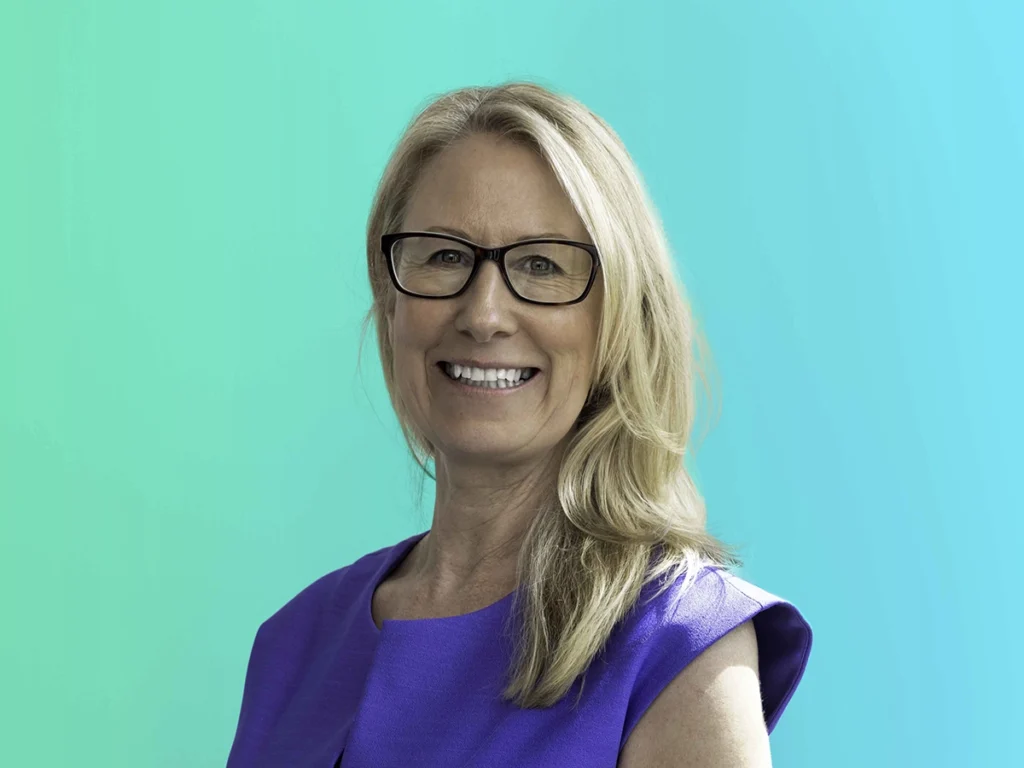
As the year draws to a close, we’re reflecting on recent changes, and looking ahead to 2026 and beyond. Leep Utilities’ CEO Louise Manfredi sets out some industry-wide issues, and explains how Leep is rising to the challenge.
What are the biggest changes you’ve seen in the last year?
It’s been a difficult year for developers. Housebuilders, in particular, are being hindered by multiple factors, including planning delays, grid capacity constraints and rising infrastructure charges. These challenges are impacting financial appraisals for new homes. Similarly, projects needing large, power-hungry connections – such as data centres – are also being affected by grid constraints, which can slow down their development and increase costs.
Our customers have meanwhile faced the challenge of increasing prices, particularly in water. We’ve responded by doing everything we can to support the most vulnerable, and ensure that they have access to the help and services they need.
As a business, I would say it’s been focusing on embedding efficiencies. While we’ve grown at pace, we are now concentrating on being properly set up for the next phase of expansion, making sure our processes, people and systems are fit and futureproofed. We’ve invested in new technology, systems and AI to ensure that our growth is sustainable.
What do you think is likely to be the biggest industry challenge over the next year?
One of the most significant challenges facing the industry is ensuring sufficient grid capacity and maintaining the speed of new connections, all while upholding reliability standards. These factors are critical, as the ability to deliver large-scale decarbonisation projects and meet the growing demands from electric vehicles, data centres and renewable energy developments depends on a robust and responsive grid infrastructure. Without adequate capacity and timely connections, ambitious plans for low-carbon growth cannot be realised at the required scale.
Utilities are being driven to transform by decarbonisation mandates, net zero targets and wider environmental objectives. However, the path forward is complicated by unclear or shifting regulatory frameworks and inconsistent government support. This lack of certainty increases the risk associated with planning and investment decisions, making it challenging for organisations to commit confidently to long-term projects. As a result, businesses must carefully navigate a changing landscape, while still progressing towards their sustainability goals.
How are emerging technologies changing the way your customers manage their energy projects?
Housebuilders are increasingly embracing new technologies to improve energy management and promote sustainability in their developments. One of the key initiatives is the integration of smart meters for electricity and, more recently, water. This enables end customers to monitor and optimise their consumption, fostering more efficient use of resources.
On-site renewable energy solutions are also becoming standard practice. The installation of solar panels is now commonly expected on new builds, complemented by project-wide battery storage systems. These batteries help smooth out demand and reduce reliance on the main grid, with microgrids offering greater energy self-sufficiency for new housing developments.
In larger developments, there is a growing adoption of fourth and fifth-generation heat networks . These low-temperature district heating solutions can potentially be powered by recovered heat from wastewater, or waste heat generated by facilities such as data centres. This approach not only lowers carbon emissions, but enhances overall energy efficiency.
Housebuilders are therefore moving towards the creation of smart, self-sufficient, and low-carbon communities. In parallel, larger developers are utilising artificial intelligence to optimise power distribution and improve equipment efficiency. Such technologies help to reduce demand on an already constrained grid. They also facilitate participation in market tools designed to secure energy capacity, lower costs, and achieve environmental, social and governance (ESG) objectives.
What effect do you think regulation will have over the next few years?
Across the sector, decarbonisation mandates mean that all stakeholders are experiencing increasing regulatory pressure to achieve net zero targets. This is leading to a greater emphasis on electrification, the integration of renewable energy sources, and the adoption of new technologies to support these goals.
At the same time, there is ongoing pressure to keep customer bills affordable. Utilities and developers are therefore expected to deliver more value and enhanced services while operating with fewer resources. This challenge is prompting a drive towards innovation, with a particular focus on the deployment of smart grids, the use of demand response mechanisms, improved leakage control, and the development of green heat solutions.
I expect that all these efforts will be subject to even tighter regulatory scrutiny and stronger enforcement in the near future, reflecting a more rigorous approach to overseeing the sector’s environmental and consumer obligations.
What are some of your priorities for the next year?
My priority over the coming year will be to embed innovation and continuous improvement throughout all areas of our operations. By doing so, we’re aiming to enhance the overall experience for our end customers. This approach will not only streamline the way we interact with our developer partners but also empower our employees, enabling them to work more effectively and collaboratively. Through fostering a culture of innovation and ongoing improvement, we are committed to delivering better outcomes for every stakeholder.